
Optimizing keto electrolytes and hydration: a guide to preventing keto flu symptoms
The physiological shift into ketosis accelerates the loss of sodium, potassium, and magnesium. Understanding why — and how to replace them — is the difference between keto flu and a smooth fat-adaptation.
Why electrolytes matter on keto
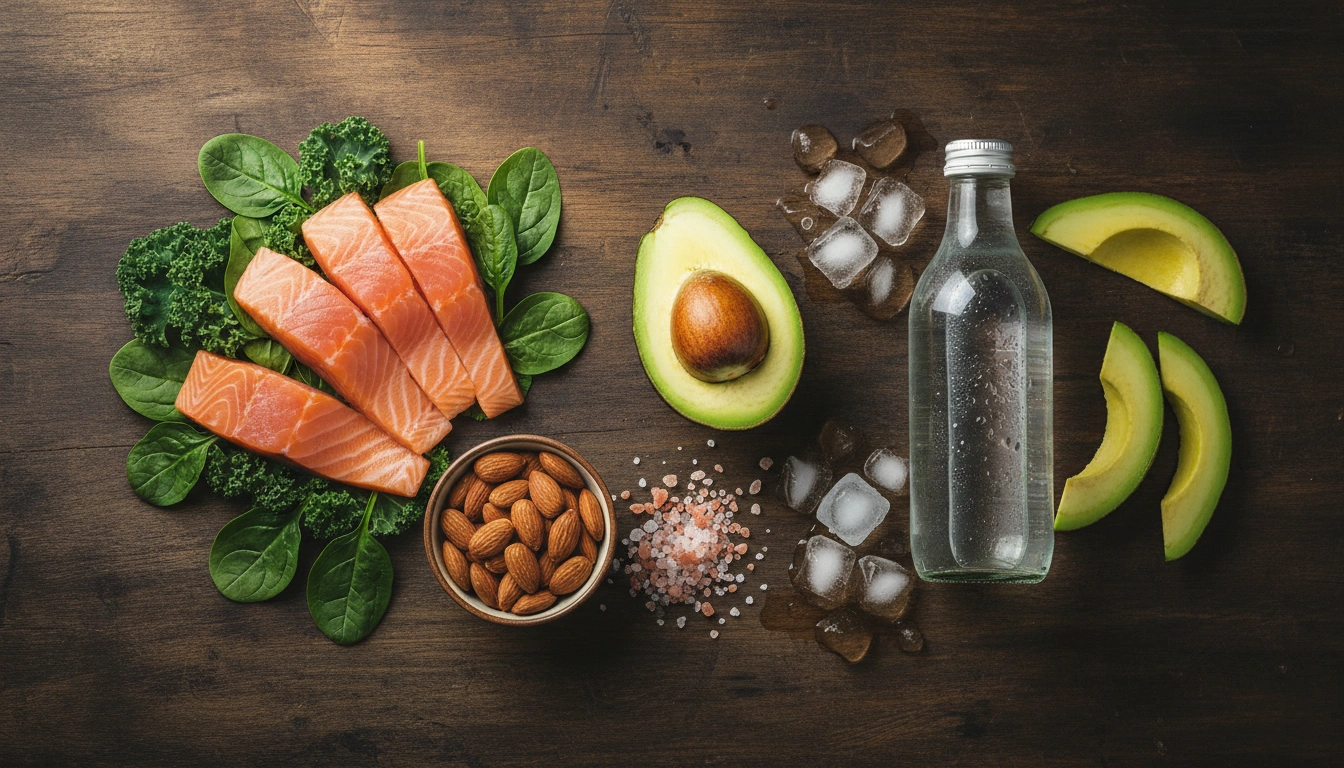
The ketogenic diet (KD) is a metabolic strategy defined by a significant reduction in carbohydrate intake and a high intake of fat, which drives the body into a state of ketosis. While this shift to burning fat for fuel is associated with benefits such as weight loss and improved mental clarity, the initial transition phase presents a crucial challenge: rapid fluid loss and mineral depletion.
Successfully navigating the first weeks of KD — and preventing the cluster of symptoms commonly known as the “keto flu” — hinges on meticulous management of keto electrolytes and systemic hydration. Electrolytes are electrically charged minerals — sodium, potassium, magnesium, chloride, calcium, phosphate, and bicarbonate — that regulate nerve impulses, muscle contractions (including heart rhythm), fluid balance, and nutrient transport into cells.
For individuals new to low-carbohydrate nutrition, proactively managing keto electrolyte intake is not optional — it is a prerequisite for comfort, health, and sustainable adherence to the diet.
The three critical keto electrolytes at a glance
The physiological shift: why electrolytes are depleted on keto
Electrolyte loss on a ketogenic diet is directly linked to the dramatic reduction in carbohydrate consumption and the hormonal changes that follow. This is a natural physiological response — but one that requires active intervention to prevent symptomatic deficiency.
Glycogen depletion and fluid loss
When carbohydrate intake is severely restricted, the body rapidly depletes its glycogen reserves stored in the liver and muscles. Glycogen is stored with water — approximately three grams of water per gram of stored glucose. As these carbohydrate stores are burned through, the bound water is released and excreted via increased urination.
This explains the rapid initial weight loss experienced by most keto beginners — predominantly water weight. Critically, the minerals dissolved in this expelled fluid are lost alongside it, triggering a fast depletion of vital electrolytes.
The insulin–kidney connection: increased sodium excretion
The transition into ketosis profoundly alters renal function, mediated primarily by falling insulin levels:
- Low insulin signaling: restricting carbohydrates drops insulin production significantly.
- Renal sodium excretion: low insulin signals the kidneys to stop retaining sodium, resulting in accelerated excretion.
- Electrolyte cascade: because sodium and other electrolytes are tightly balanced, increased sodium loss disrupts potassium and magnesium levels as well, accelerating their depletion in turn.
This diuretic effect is the core reason why intake requirements for keto electrolytes increase significantly on a low-carbohydrate diet compared to standard dietary recommendations.
Essential keto electrolytes: roles and recommended intake
While all seven essential electrolytes are important, the ketogenic diet puts unique stress on sodium, potassium, and magnesium. Maintaining adequate levels of these three minerals is the primary strategy for keto fatigue prevention and stable fat-adaptation.
Sodium (Na⁺): the crucial hydration regulator
Sodium is the most abundant electrolyte in extracellular fluid. It is essential for maintaining fluid balance, regulating blood pressure, and supporting proper nerve and muscle function.
- Keto necessity: because the kidneys excrete more sodium when insulin is low, sodium loss is the most immediate and impactful mineral concern for keto beginners.
- Deficiency symptoms: low sodium (hyponatremia) is a primary cause of keto flu symptoms including headaches, weakness, fatigue, and dizziness.
- Dietary sources: sea salt, Himalayan pink salt, bone broth, pickle juice, and salted meats are practical ways to increase sodium without disrupting ketosis.
💊 General guidance: 3,000–5,000 mg of sodium daily, though individual needs vary with activity level and sweat rate.
Potassium (K⁺): muscle function and blood pressure
Potassium is critical for balancing fluid inside cells, supporting nerve conduction, regulating heart rhythm, and facilitating muscle contractions. It is often an under-consumed nutrient, even in the general population.
- Keto challenge: as the kidneys excrete sodium, they often reabsorb it at the expense of losing potassium. Additionally, many high-potassium foods (bananas, potatoes) are restricted on keto, making dietary intake more difficult to achieve.
- Deficiency symptoms: inadequate potassium leads to muscle weakness, keto cramps, fatigue, and in more serious cases, heartbeat alterations or arrhythmias.
- Dietary sources: avocados (~480 mg per 100g), spinach (~633 mg per 100g), wild salmon (~350 mg per 100g), zucchini, and mushrooms are the most practical keto-compatible potassium sources. See the keto vegetables list for a full ranked reference.
💊 General guidance: 2,000–3,000 mg of potassium daily for those on a ketogenic diet.
Magnesium (Mg²⁺): preventing keto cramps and supporting sleep
Magnesium is essential for over 300 enzymatic reactions — including protein synthesis, nerve and muscle function, energy production (ATP), blood pressure regulation, and bone health. It also supports metabolism and helps reduce feelings of fatigue.
- Keto role: magnesium deficiency is common on keto and is frequently implicated in nocturnal cramps, muscle twitches, and sleep disturbances — some of the most disruptive early keto symptoms.
- Deficiency symptoms: muscle spasms, sleep disruption, mood swings, fatigue, and difficulty concentrating are the characteristic signs of inadequate magnesium.
- Dietary sources: pumpkin seeds, chia seeds, almonds, dark chocolate (high-cacao), and Greek yogurt are the primary keto-friendly magnesium sources.
- Supplementation note: magnesium citrate or glycinate forms are well-absorbed and can effectively prevent cramps and support deeper, more restful sleep.
💊 General guidance: 300–420 mg of magnesium daily for adults; supplementation is often warranted during the keto induction phase.
Chloride (Cl⁻) and calcium (Ca²⁺): supporting core functions
While sodium, potassium, and magnesium are the most frequently depleted keto electrolytes, two additional minerals play important supporting roles:
- Chloride (Cl⁻): works alongside sodium to regulate fluid balance and is an essential component of hydrochloric acid (HCl), which enables normal digestion. Adequate intake (~2,300 mg daily) is typically met through sea salt and low-carb vegetables.
- Calcium (Ca²⁺): necessary for bone health and proper enzyme function. While not lost in large direct quantities due to keto, its absorption may be influenced by shifts in other mineral intake — particularly magnesium and vitamin D levels.
Recognizing and managing symptoms: keto fatigue prevention
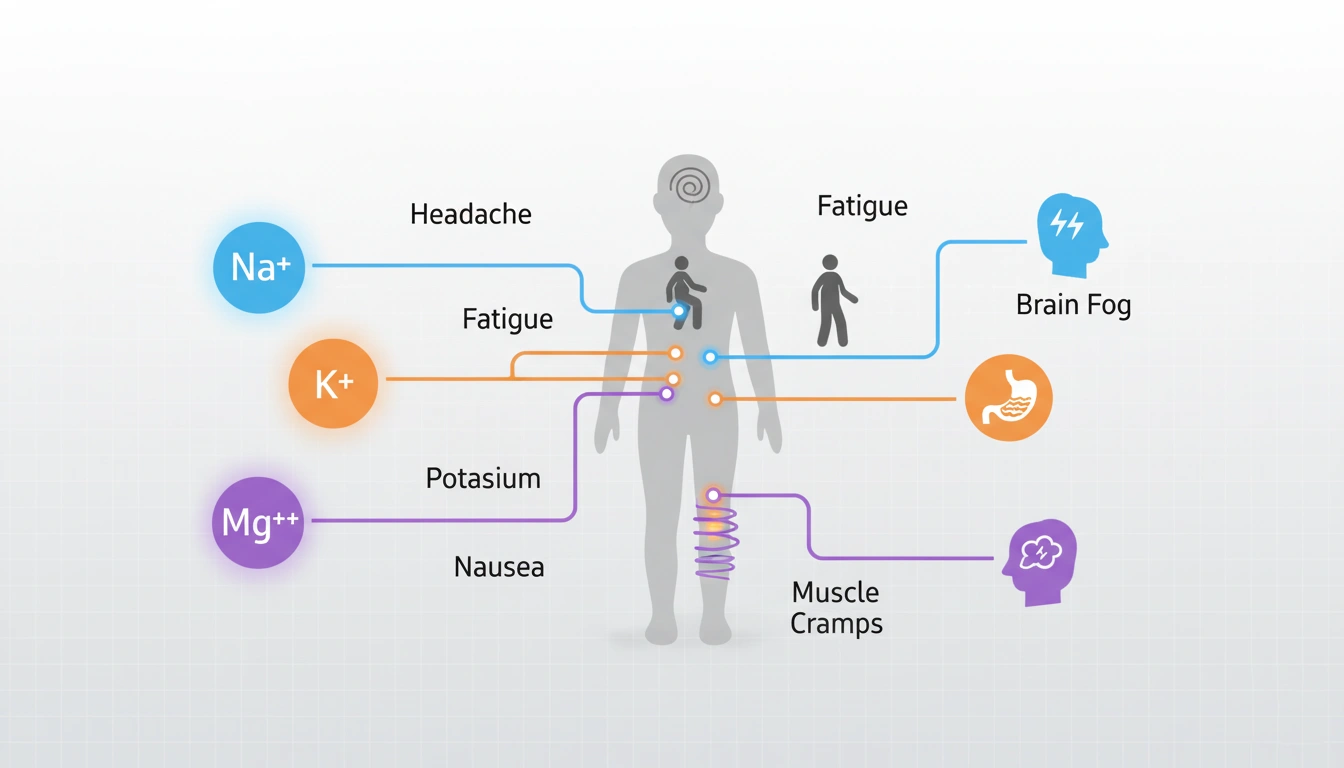
The cluster of transient symptoms experienced during the first weeks of ketosis is widely known as the “keto flu.” These symptoms are often not caused by carbohydrate withdrawal itself, but rather by the dehydration and electrolyte imbalances that accompany it. Addressing keto electrolyte levels is the primary — and most effective — strategy for keto fatigue prevention.
What is the keto flu?
The keto flu represents the body’s transition response as it shifts from glucose to fat (ketones) as its primary fuel. Symptoms typically peak within the first week (days 3–7) and generally attenuate over the first month, often resolving entirely as the body becomes fat-adapted — a process that may take several weeks or months for full completion.
Common signs of electrolyte imbalance
Recognizing these symptoms promptly allows for fast action, typically through increasing water, salt, and targeted mineral intake:
- Fatigue and lethargy: highly common, stemming from compromised cellular function due to fluid and mineral deficiencies.
- Headaches and migraines: often caused by low sodium levels combined with dehydration.
- Dizziness or lightheadedness: a result of overall fluid and electrolyte imbalance, particularly sodium depletion.
- Muscle cramps (keto cramps): directly linked to low potassium and magnesium. Often nocturnal and disruptive.
- Heartbeat alterations (palpitations): a less common but important indicator of potassium deficiency that warrants medical attention if persistent.
- Gastrointestinal discomfort: constipation or diarrhea, often related to inadequate fluid and fiber intake during the transition.
- Brain fog and difficulty concentrating: linked to depletion of key minerals that support neurological signaling.
Research suggests that dehydration and electrolyte loss directly intensify these symptoms. Symptom resolution typically occurs between days 3 and 30, with a median of approximately 4.5 days for those who proactively manage their electrolytes.
If you have fallen off the diet and are re-entering ketosis, the symptom timeline may be shorter the second time due to prior fat-adaptation — but electrolyte management remains just as important. See the guide on getting back into ketosis for a structured recovery approach.
Strategic hydration: beyond plain water
Successfully managing hydration on keto involves significantly more than simply drinking more water. Consuming plain water in excess without simultaneously replenishing electrolytes can actually dilute remaining minerals, potentially worsening headaches and fatigue — a phenomenon sometimes called hyponatremia or overhydration. Fluid intake must be paired with mineral replacement.
Optimal water intake: listening to your body
- General guidelines: aim for 8–10 cups (approximately 35–40 ml per kg of body weight) of water throughout the day. Athletes or individuals in hot climates require more.
- Thirst cues: pay attention to thirst as an indicator of mild dehydration. Older individuals should track intake proactively, as the sense of thirst diminishes with age.
- Morning ritual: drinking a large glass of water with a pinch of high-quality salt immediately upon waking is an effective way to replace sodium lost overnight and prevent morning headaches — one of the most consistent keto flu complaints.
Monitoring hydration status: the urine color test
A simple, practical method to assess hydration status is monitoring urine color throughout the day:
- Ideal: pale yellow (like lemonade) — indicates well-hydrated with adequate electrolytes.
- Dehydration warning: dark, amber-colored urine (like apple juice) indicates insufficient fluid intake.
- Electrolyte dilution warning: crystal-clear urine may signal excessive plain water intake without sufficient salt, potentially driving mineral levels too low.
Limiting diuretics and potential disruptors
Certain substances accelerate fluid and electrolyte loss and should be consumed mindfully on keto:
- Caffeine and tea: both have a diuretic effect and increase fluid turnover. Balance coffee and tea intake with additional water and sodium. The keto alcohol guide also notes caffeine-alcohol combinations as particularly dehydrating.
- Alcohol: excessive consumption promotes fluid and mineral loss. Proactive electrolyte replacement is recommended before and after any drinking occasion to offset these losses.
- Certain medications: corticosteroids, insulin, and some antibiotics can affect electrolyte status. Consult a healthcare provider before starting keto if you are on any of these medications.
Dietary strategies for keto electrolyte replenishment

The ideal strategy for managing keto electrolytes is through a nutrient-dense, whole-food ketogenic diet. While food preparation can sometimes result in micronutrient loss, many keto-friendly staples are excellent natural sources of essential minerals — and far preferable to relying exclusively on supplements.
🧂 High-sodium keto foods (salt and broth)
Since sodium excretion is elevated on keto, intentionally increasing sodium consumption is vital — not optional:
- High-quality salt: use liberal amounts of sea salt or Himalayan pink salt to season all meals. These salts often contain trace minerals including magnesium and potassium as a bonus.
- Bone broth: an excellent source of fluids, sodium, and collagen. Consumed hot throughout the day, it helps balance sodium and supports gut health — a common concern during dietary transitions.
- Pickle juice: a convenient, sodium-rich option used by many keto practitioners to support hydration and reduce muscle discomfort after exercise.
🥑 Potassium-rich low-carb sources
Meeting the elevated potassium requirement (2–3 g daily) while adhering to carb limits requires deliberate food selection:
- Avocados: ~480 mg of potassium per 100g, with excellent fat and fiber content that make them a cornerstone of any keto meal plan.
- Leafy greens: spinach (~633 mg per 100g), kale, and chard provide both potassium and magnesium. See the complete low-carb vegetable guide for a full database. Spinach in particular is among the most nutrient-dense choices.
- Fatty fish and meat: wild salmon (~350 mg potassium per 100g), mackerel, and beef are simultaneously protein-rich and electrolyte-dense.
- Water-rich vegetables: cucumbers, zucchini, bell peppers, and celery contribute to both hydration and micronutrient intake while remaining very low in net carbs.
🌱 Magnesium-rich keto foods
- Nuts and seeds: pumpkin seeds, chia seeds, and almonds are exceptional sources of magnesium and offer healthy fats alongside. Include them in measured portions to avoid inadvertent carb accumulation.
- Dark chocolate: high-cacao (85%+) dark chocolate is a keto-compatible source of magnesium and polyphenol antioxidants — typically containing around 1–2g net carbs per square.
- Dairy: Greek yogurt and hard cheeses contribute to both calcium and magnesium intake, with full-fat versions offering a favorable fat profile for ketosis.
Keto electrolyte supplementation: when and what to choose
While prioritizing whole foods is the ideal approach, certain situations — particularly the initial keto transition, intense physical activity, or illness — increase electrolyte requirements beyond what diet alone can reliably provide. This is when targeted supplementation becomes appropriate and often necessary.
When supplements become necessary
- Keto flu relief: supplements can quickly resolve symptoms like headaches, dizziness, and muscle cramps in beginners during the first two weeks of induction.
- Intense or prolonged exercise: sweating rapidly depletes sodium and other minerals, requiring proactive replenishment before, during, and after workouts. This applies especially when combining keto with intermittent fasting, which also accelerates mineral excretion.
- Illness: vomiting or diarrhea significantly increase electrolyte losses and the risk of imbalance.
- Fasting: sugar-free electrolyte supplementation is recommended during fasting windows to reduce nutrient deficiencies without breaking ketosis.
- General maintenance: for those unable to consistently meet daily mineral needs through diet alone, regular supplementation provides a reliable safety net.
Key components of a quality keto electrolyte product
When selecting a supplement, purity and composition are paramount. A high-quality keto electrolyte product should meet the following criteria:
- Zero or low carbohydrates and sugar: the supplement must be sugar-free — no glucose, sucrose, or maltodextrin — to ensure ketosis is maintained. Look for stevia, erythritol, or monk fruit as sweetener alternatives.
- Complete mineral profile: a balanced ratio of sodium, potassium, and magnesium is essential. Some formulations also include calcium and chloride. A commonly cited physician-formulated target is a 4:2:1:1 ratio of sodium, potassium, calcium, and magnesium.
- Clean ingredients: avoid unnecessary fillers, artificial colorings, or preservatives that add no nutritional value.
- Added nutrients: some formulations include Vitamin D (to enhance magnesium absorption) or B vitamins and Vitamin C to support energy and immunity.
Forms of supplementation: powders, capsules, and drops
Powders and drink mixes
Pros: easy to mix with water; effective for immediate rehydration (hypotonic formulas absorb quickly); ideal for intra- and post-workout use; flexible dosing.
Cons: some people dislike the taste or stevia aftertaste; may take several minutes to fully dissolve.
Capsules and pills
Pros: highly convenient, easy to swallow, and practical for travel; suitable for those who dislike the taste of powders.
Cons: typically provide a smaller dose of each electrolyte per serving compared to powders; may require multiple capsules to reach adequate daily amounts.
Drops
Pros: highly flexible and customizable dosing; typically flavorless, which avoids any aftertaste when added to beverages.
Cons: generally contains fewer electrolytes per serving than powders; less practical for high-demand situations like post-exercise recovery.
Products such as LMNT Electrolyte Drink Mix (co-founded by Robb Wolf, paleo and keto-compatible, sugar-free) and Perfect Keto Daily Electrolytes Powder (zero carbs, zero calories, zero sugar) are commonly cited as high-quality examples, though there are many competitive options in this category.
Clinical note: consulting your healthcare provider
While managing keto electrolytes proactively is effective for most healthy individuals, it is always advisable to consult with a healthcare professional before significantly modifying electrolyte intake — especially for those with pre-existing medical conditions.
- Pre-existing conditions: patients with high blood pressure, kidney disease, or heart failure must seek medical guidance before substantially increasing minerals like sodium or potassium. Excessive potassium intake has a narrow therapeutic window and can be dangerous — particularly for those with compromised renal function.
- Severe symptoms: if electrolyte imbalances or dehydration symptoms are extreme (dizziness, confusion, inability to keep fluids down), professional intervention may be required. Intravenous (IV) hydration therapy provides direct, rapid mineral replenishment for severe cases and should be viewed as a complementary intervention alongside dietary strategies.
- Medication review: if you are taking medications including insulin or diuretics, inform your doctor of your ketogenic diet plan to ensure appropriate mineral intake adjustment and to avoid adverse drug-nutrient interactions. This is especially important for those managing type 2 diabetes on keto, where insulin dosing may require significant adjustment.
- Cholesterol monitoring: while not directly electrolyte-related, the ketogenic diet can alter lipid profiles. Review the keto and cholesterol guide and discuss regular monitoring with your physician if cardiovascular risk factors are present.
It is also worth understanding the distinction between nutritional ketosis — a controlled, safe metabolic state — and diabetic ketoacidosis (DKA), a dangerous condition in uncontrolled type 1 diabetes. The two are frequently confused but are physiologically unrelated.
Summary: sustained wellness through balanced keto electrolytes and hydration

The ketogenic diet is a powerful tool for metabolic health, but the physiological changes it induces — rapid water loss and essential mineral excretion — make consistent management of keto electrolytes non-negotiable for lasting success. For the keto beginner, preventing the debilitating keto flu hinges on a proactive, four-part hydration strategy:
- Prioritize fluid balance: drink 2.5–3 liters of water daily, but always pair fluid intake with mineral replacement to avoid electrolyte dilution.
- Increase sodium intake: intentional use of high-quality salts and bone broth is critical to compensate for accelerated renal sodium excretion.
- Focus on key mineral foods: regularly consume potassium-rich foods (avocados, leafy greens) and magnesium-rich foods (seeds, dark chocolate) from the low-carb vegetable database.
- Strategic supplementation: use sugar-free, clean keto electrolyte powders or capsules during the initial adaptation phase, after intense exercise, or during fasting periods to maintain stable mineral balance.
By integrating robust keto hydration practices, the transition into ketosis can be smooth, sustainable, and genuinely beneficial — allowing you to maximize the diet’s potential for enhanced energy, mental clarity, and long-term metabolic performance.
Further reading & tools
Deepen your understanding of ketosis and the metabolic principles behind your hydration strategy.
The metabolic science behind why electrolyte management matters in the first place.
Fell off track? A structured protocol for re-entering ketosis with minimal keto flu.
Find the highest-potassium and highest-magnesium vegetables ranked by net carbs.
IF amplifies electrolyte demands — learn how to manage both simultaneously.
Understand why nutritional ketosis is safe and how it differs from DKA.
Alcohol is a diuretic — learn which drinks are lowest-risk for electrolyte balance.
Explore more resources
For additional information and comprehensive guides on keto electrolytes and the ketogenic diet from trusted external sources: